Your Resume Is Competing With 1,200 AI-Generated Ones. Here's What Still Works
Your Resume Is Competing With 1,200 AI-Generated Ones. Here's What Still Works
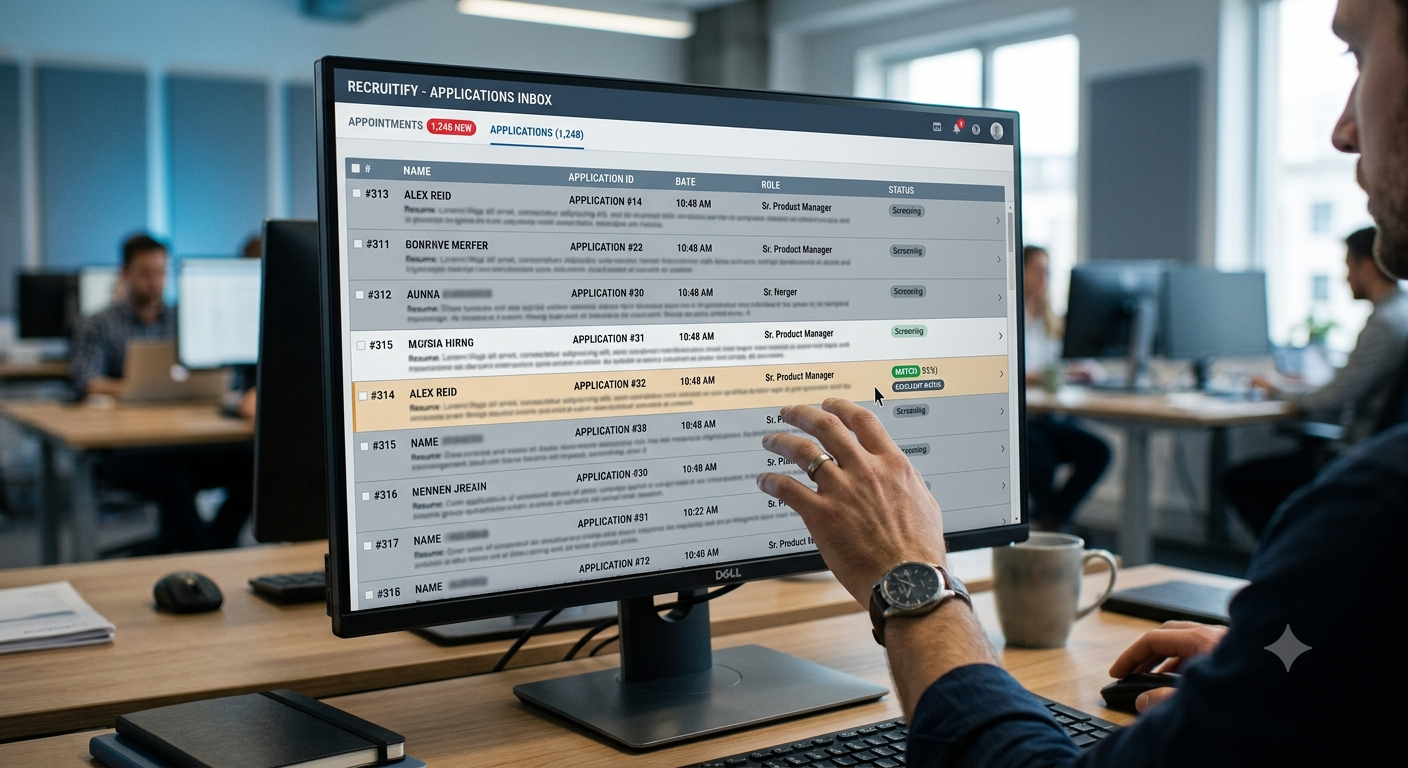
A single job posting can draw over 1,200 AI-generated applications within days, and recruiters report spotting a generic, AI-written resume in under 20 seconds. The data also shows customized applications get 115% more interviews than generic ones — meaning the flood of generic applications isn't raising the bar you need to clear, it's lowering it, because almost none of them clear it.
It can feel like AI tools have made the job search an arms race you can't win: everyone has access to the same resume generators, so how could tailoring still matter? The data on what's actually happening in hiring pipelines right now says the opposite — the flood of generic AI output is exactly why a genuinely tailored application stands out more, not less.
The volume is real, and it's growing fast
Applications per job posting have roughly doubled since 2022. On LinkedIn alone, submissions are reported to run at a rate of thousands per minute platform-wide, and a single popular posting can draw well over a thousand AI-assisted applications within its first few days. Close to three-quarters of candidates now report using AI somewhere in their resume or application process, and the large majority say they're open to using it more.
That volume is exactly what's overwhelming recruiting teams — and it's also why the response-rate and ghosting problems (see the companion piece on this) have gotten measurably worse in the last two years. When a posting draws over a thousand applications in days, most of them are never going to get individual human attention.
Why generic applications don't actually benefit from the flood
You might assume that if everyone is submitting AI-generated resumes, a generic one blends in and gets through on volume alone. The opposite is true, for a specific reason: recruiters have gotten fast at spotting the pattern. Reported detection times run under 20 seconds — the uniform bullet cadence, the same handful of buzzwords, the absence of any concrete, checkable detail — and a resume that reads as generic gets skimmed past rather than read.
Meanwhile, hiring teams are fighting the volume with their own AI-assisted screening, which means the practical effect of the flood isn't "more applications get through" — it's "fewer humans read any individual one closely enough to notice you, unless something makes them stop." Genuine specificity is one of the few things that still reliably does that, precisely because so few applications in the pile have it.
What the data says about what actually works
The clearest data point here: customized applications get 115% more interviews than generic ones. That's not a small edge — it's more than double the interview rate, in a market where the volume of competing applications has never been higher. The mechanism isn't mysterious. A recruiter or hiring manager skimming a stack of near-identical resumes stops on the one that names a specific tool, a specific number, a specific decision that maps directly onto what the job posting is actually asking for. Everything else reads as noise around it.
This is worth sitting with, because it cuts against the instinct the AI flood creates. The instinct is to apply faster and to more postings, using AI to generate volume, to compete with everyone else's volume. The data suggests the better move is closer to the opposite: fewer applications, each one specifically built around a real job description, using real, checkable details about your own background.
What this means for how you apply
Don't compete on volume you can't win. You are not going to out-apply a market where a single posting draws over a thousand submissions in days. Trying to is a losing strategy against the math, not just a personally exhausting one.
Specificity is the actual differentiator right now, not a nice-to-have. A resume that names the real tool, the real number, the real decision beats a resume that sounds impressive but could describe a hundred other candidates — and this gap is getting wider, not narrower, as more generic AI output floods every posting.
Tailoring from real facts is different from generating from a job description. The distinction matters more now than it did two years ago, precisely because recruiters have gotten better at spotting the difference. A model that selects and reframes things you've actually confirmed produces something a model that's inventing plausible-sounding achievements from a job posting cannot: specifics that hold up.
The practical takeaway
The AI flood isn't a reason to give up on tailoring — it's the reason tailoring works better than it used to. When the average application in the pile is generic, specific and defensible is a bigger relative advantage than it would be in a smaller, less AI-saturated pool. JobSeekersHub.app's AI-Tell Score exists for exactly this reason: to flag the patterns that make a resume read as one of the thousand, before a recruiter does.
Sources
- LinkedIn platform data on application volume trends (2022–2026)
- 2026 industry reporting on AI-assisted application volume and recruiter detection/screening behavior
- Reported comparison data on interview rates for customized vs. generic applications
More on Resume Tips
Ready to try it on a real job?
Build a resume from your own confirmed work history, scored for job match and for generic-sounding phrasing - $24.99 per job, no subscription.